Bulk enzyme for gelatin viscosity control
For a gelatin capsule manufacturer, viscosity is a production signal. When it drifts, operators feel it in melt transfer, de-aeration, dipping behavior, shell formation, trim consistency, and correction cycles.
BloomPilot supplies bulk enzymes for gelatin processing as a controlled viscosity-adjustment lever. The goal is not to force a dramatic change in the melt. The goal is to help your team bring gelatin behavior into a practical operating window, with batch discipline and clear fit inside your plant SOP.
If you are evaluating an enzyme supplier for gelatin processing, BloomPilot supports the conversation from procurement through production review: material availability, lot-to-lot consistency, handling guidance, and process-aligned documentation.
Request a quote through the on-site form
Viscosity control without treating the enzyme as a miracle additive
Gelatin behavior is shaped by raw material source, extraction history, heat exposure, concentration, hold time, water quality, mixing, filtration, and downstream forming conditions. Enzymes can support viscosity adjustment, but they should be handled as one controlled process variable among many.
BloomPilot helps capsule manufacturers evaluate enzyme use in a practical way:
- Define the viscosity challenge in production language
- Identify where the drift appears on the line
- Align enzyme addition with existing batch steps where possible
- Support controlled trials before bulk adoption
- Help procurement evaluate supply reliability, packaging, and documentation
- Keep the focus on shell quality, line stability, and repeatable batches
Where viscosity drift affects capsule manufacturing
When gelatin viscosity moves outside the preferred range, the impact is rarely isolated to one department. It can create small frictions across the whole production sequence.
Melt preparation and transfer
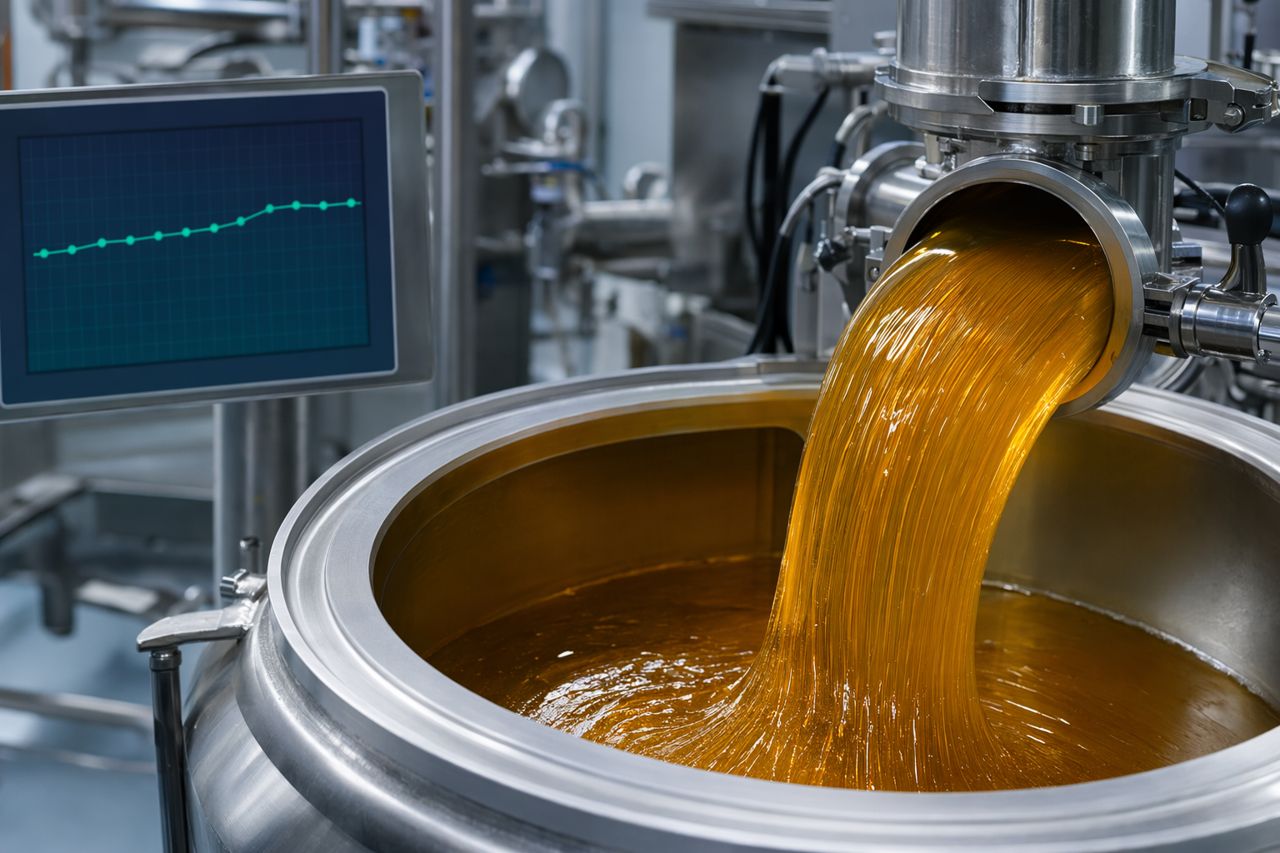
High or inconsistent viscosity can slow movement through tanks, pumps, screens, and transfer lines. Operators may respond with heat, dilution, longer hold time, or repeated adjustment. Each correction adds variability.
De-aeration and visual clarity
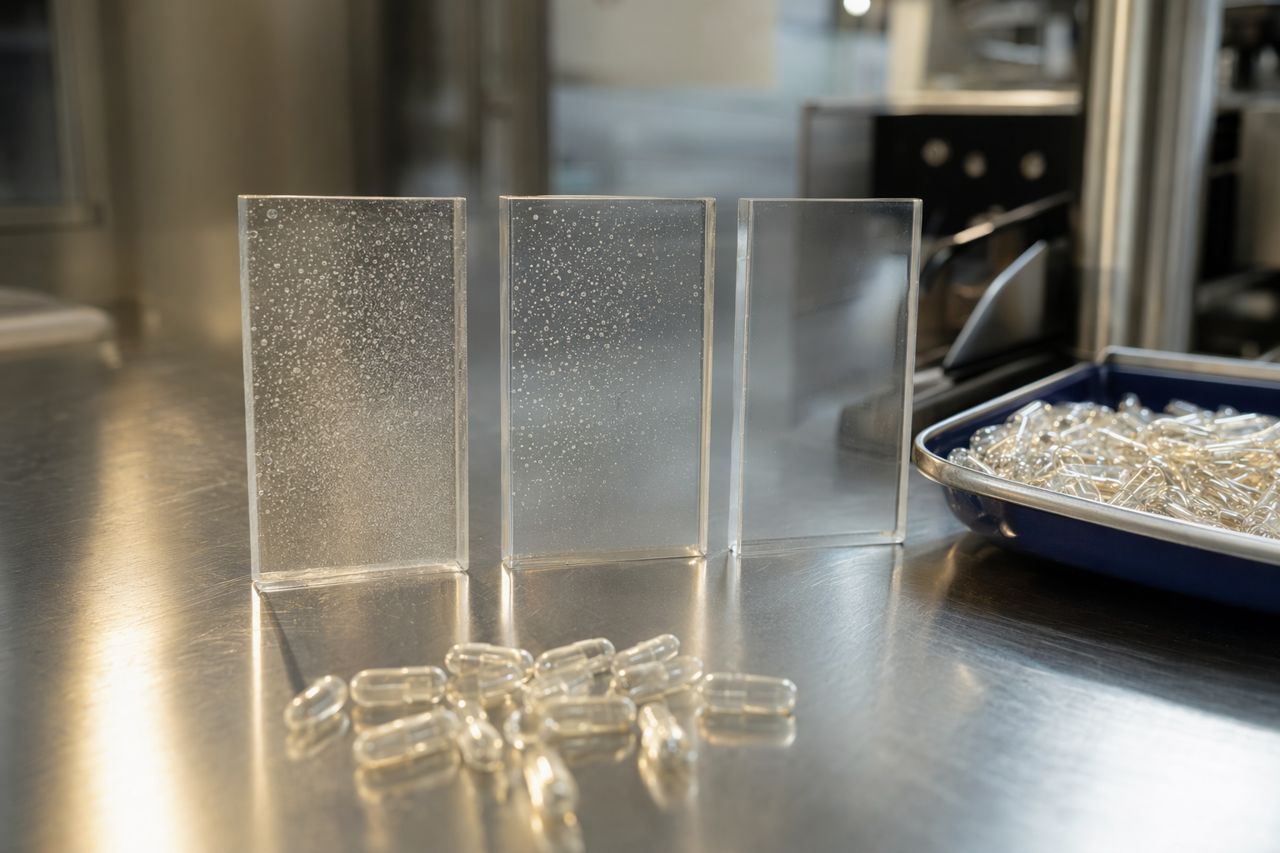
A gelatin system that does not release entrained air cleanly may contribute to bubbles, haze, or visual inconsistency in the shell-forming process. Enzyme-assisted viscosity adjustment can be evaluated as part of a broader strategy for cleaner flow behavior.
Dipping and shell formation
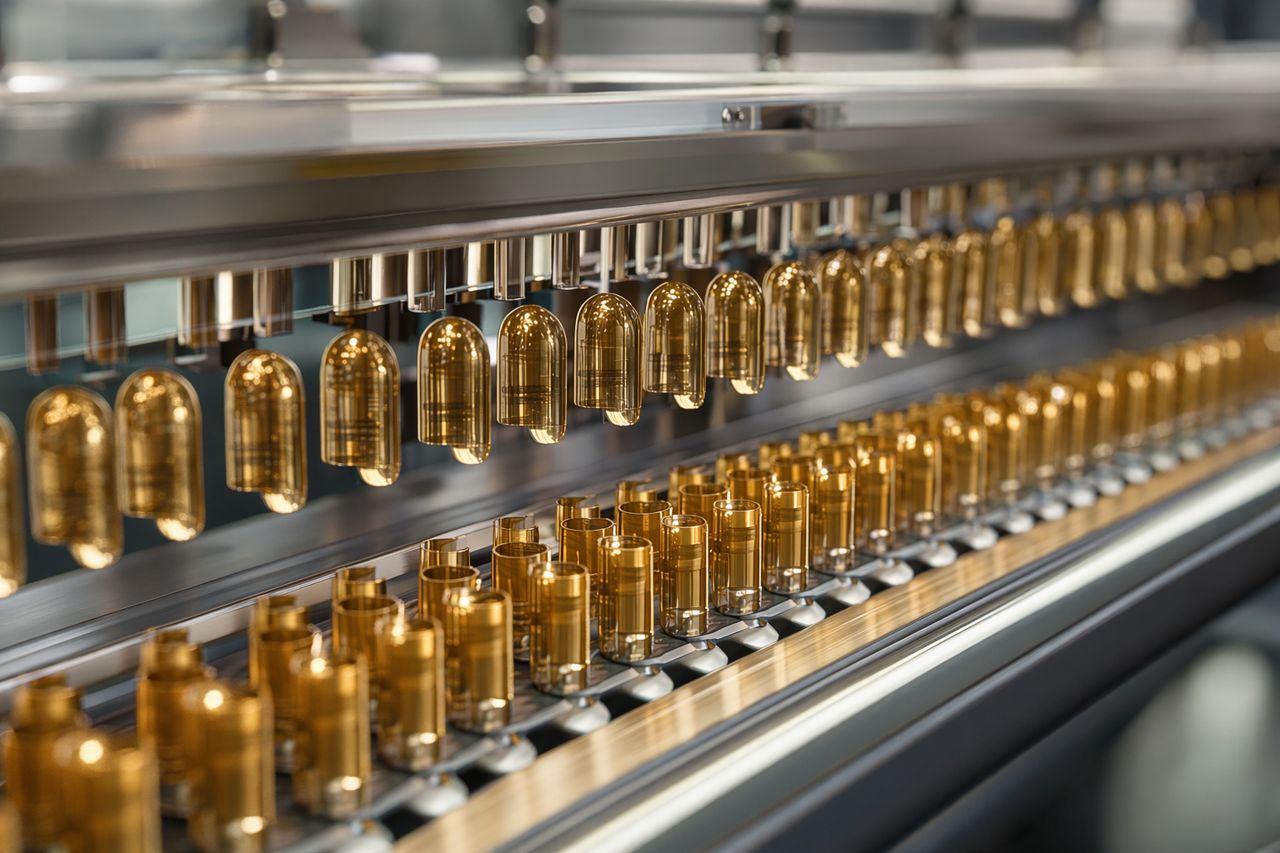
Capsule-shell quality depends on controlled wet film behavior. Viscosity variation may influence wall uniformity, cap and body consistency, drying response, and downstream handling.
Batch repeatability
Production managers are not looking for a one-time fix. They need a predictable method that can be taught, documented, reviewed, and repeated across shifts.
BloomPilot’s supply position
BloomPilot is built for production-minded buyers who need more than a catalog item. We support bulk enzyme supply for gelatin processing with attention to manufacturing continuity and internal review.
What we help you evaluate
- Bulk availability for recurring production needs
- Lot documentation suitable for supplier review
- Practical storage and handling expectations
- Compatibility with your existing process sequence
- Trial planning before broader plant use
- Procurement clarity for repeat purchasing
- Communication between technical, quality, and operations teams
Typical procurement questions we support
Can the enzyme fit our existing SOP?
That is the right first question. BloomPilot does not position viscosity control as a disruptive add-on. We help identify where enzyme use may fit into existing batch preparation, hold, or adjustment steps, subject to your internal validation.
Will it reduce correction cycles?
That depends on the source of the variability. Where viscosity drift is responsive to enzyme-assisted adjustment, plants may be able to reduce repeated heat, dilution, or hold-time corrections. The evaluation should compare actual plant behavior, not only bench appearance.
How should we review capsule-shell outcomes?
Review should include practical production indicators: shell appearance, bubble behavior, wall consistency, drying response, trim behavior, reject patterns, and operator intervention frequency. BloomPilot supports a structured evaluation around these outcomes.
Is this suitable for bulk purchasing?
Bulk purchasing should follow a controlled technical fit. Once your team confirms that the enzyme supports your target viscosity window and SOP, BloomPilot can support recurring supply discussions with documentation and practical packaging review.
A controlled trial framework for gelatin viscosity adjustment
A useful evaluation does not need to be overcomplicated. It should be controlled, documented, and connected to plant reality.
1. Define the current issue
Start with the production symptom: slow transfer, excessive correction, bubble retention, unstable dipping behavior, shell inconsistency, or variation between gelatin lots.
2. Establish the comparison point
Document the current control strategy, including heat exposure, hold time, dilution practice, and operator intervention points.
3. Run controlled side-by-side review
Evaluate enzyme-assisted viscosity adjustment against your existing process. Keep the comparison focused on repeatability and downstream quality, not only the initial melt response.
4. Confirm SOP alignment
If the result is promising, define when the enzyme is introduced, how it is handled, who verifies the step, and how the batch record reflects the process.
5. Move to supply review
Once technical fit is established, BloomPilot can support procurement with bulk supply planning, documentation, and communication for repeat orders.
What production teams gain when viscosity is controlled
A well-controlled viscosity adjustment program can help gelatin capsule manufacturers pursue:
- More stable gelatin flow during preparation and transfer
- Fewer reactive corrections during batch handling
- Improved operator confidence around target range behavior
- Cleaner evaluation of raw gelatin variability
- Better alignment between technical intent and plant execution
- More consistent capsule-shell formation conditions
- A calmer, more repeatable process signal for shift teams
These outcomes depend on proper process fit, controlled use, and plant validation. BloomPilot helps structure that evaluation so the enzyme becomes a managed variable, not an uncontrolled intervention.
Built for gelatin capsule manufacturing priorities
BloomPilot’s role is to help your team make a disciplined supplier decision. We understand that a gelatin capsule manufacturer is evaluating more than ingredient performance. You are evaluating reliability, documentation, handling practicality, and whether the supplier can support production without adding confusion to the line.
Our guidance stays practical:
- Use the enzyme only where the process case is clear
- Anchor the review in batch repeatability
- Protect capsule-shell quality as the primary outcome
- Keep procurement connected to technical review
- Support SOP adoption only after controlled evaluation
Request a quote
If you are sourcing a bulk enzyme for gelatin viscosity control, share your gelatin type, target process behavior, current adjustment method, approximate production scale, and any documentation expectations.
BloomPilot will review the request and help scope a practical supply quote for your plant.